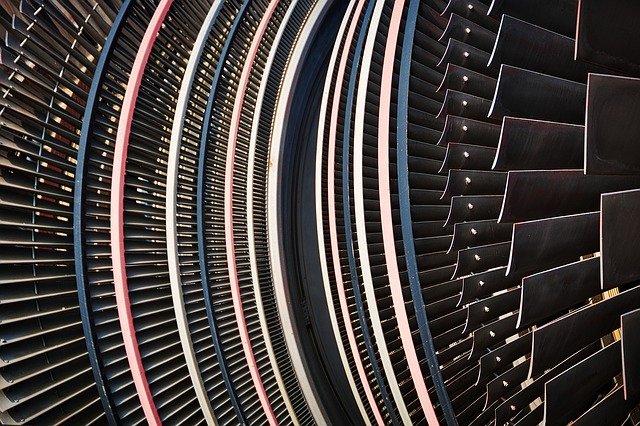
A turbine engine takes in air, compresses it, adds energy through combustion, and extracts energy through a turbine. The way the remaining energy is used differs across engine designs.
Follow the energy through the engine
For an introductory mental model, track the airflow through inlet, compression, combustion, turbine, and exhaust. The turbine provides energy to drive the compressor and, depending on the design, other rotating systems. Use diagrams in current training material to connect the stages.
Compare the engine types
Turbojet, turbofan, turboprop, and turboshaft designs use the available energy differently. Learn how a fan, propeller, or shaft output relates to the engine’s purpose. The details of components and control systems vary, so a general description cannot explain every engine model.
Connect theory with responsible learning
Study terminology, airflow, temperature, and system relationships before focusing on troubleshooting. Use the FAA handbooks for introductory education and approved model-specific instruction for practical work. This overview is a learning aid, not a maintenance procedure or authorization to perform a task.
Your next steps
- Trace air and energy through the main stages.
- Compare fan, propeller, and shaft output designs.
- Use model-specific references for practical work.