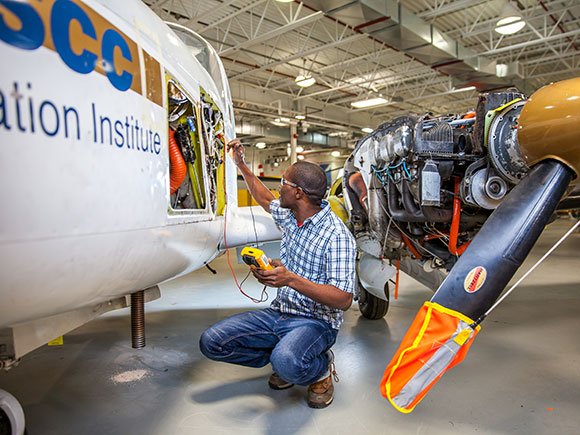
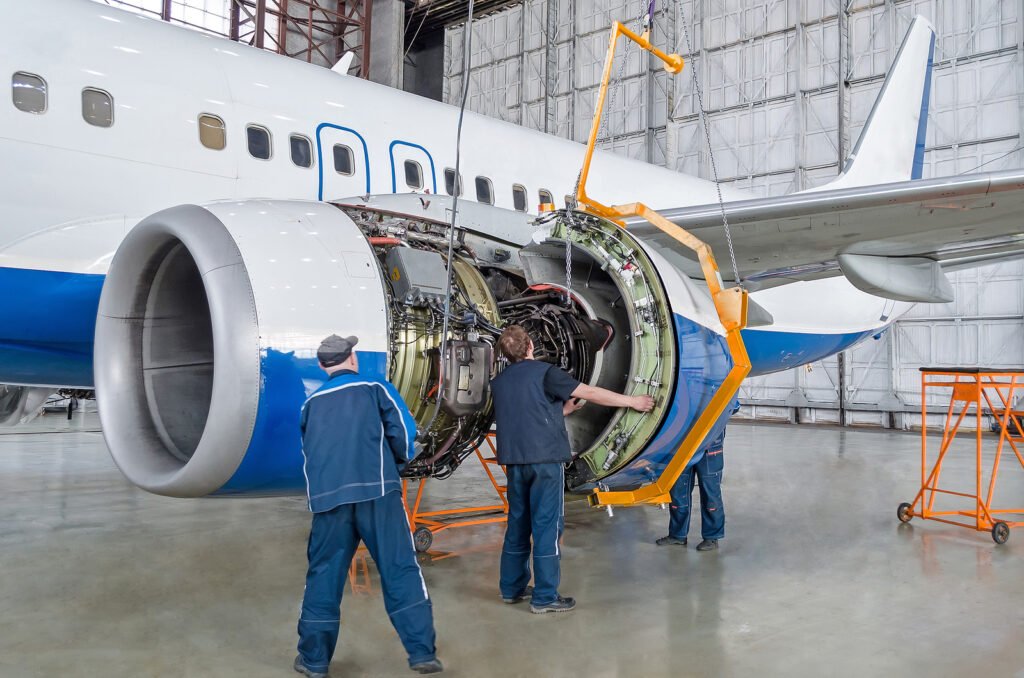
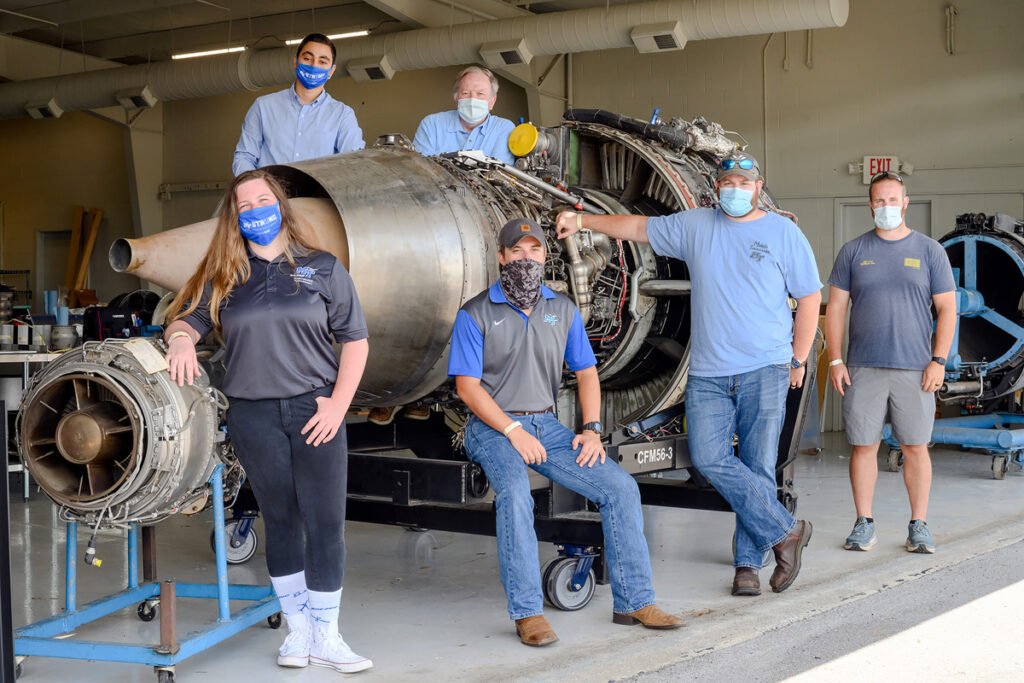
Choose an aviation maintenance school by its FAA status, practical training, total cost, and support for your goals. A good fit is more useful than an unsupported “best school” ranking.
A job-related move works best when the offer, costs, schedule, and location fit together. Compare the whole arrangement before treating a pay increase as a better opportunity.
AMT training combines technical knowledge, practical work, and careful use of maintenance information. Match the course to your starting point: initial qualification, exam preparation, or further development.
Clear communication helps an aircraft maintenance team understand what has been done, what remains open, and what needs attention. Good handovers support technical work rather than replace it.
An FAA mechanic certificate can carry an Airframe rating, a Powerplant rating, or both. Eligibility, training or experience, and testing are separate parts of the application process.
Technical ability matters, but the way you organize, communicate, and respond to uncertainty also shapes your work. Develop these habits alongside your maintenance knowledge.
The word “certificate” can describe a school award, a short course, or an FAA qualification. Before selecting a program, confirm exactly what it grants and what further steps remain.
Aircraft support technician is a broad job title. It can describe work with tools, materials, equipment, maintenance logistics, or aircraft-related tasks, depending on the employer.
Professional confidence grows from preparation, honest feedback, and evidence of progress. It should help you ask better questions and make sound decisions, rather than encourage shortcuts.
Prepare for mechanic exams by studying the subject standards, practising explanations, and arranging your documents. Question practice is useful, but it should support understanding.
Build your path by choosing a work goal, selecting appropriate education or experience, and preparing for the qualifications that goal requires. There is more than one route into aviation maintenance.
An aviation recruiter can be one useful channel in a job search. Prepare your information, clarify how submissions work, and compare the role’s terms before making a commitment.
An effective study plan connects the test standards to a realistic weekly routine. Separate knowledge study, oral explanations, practical practice, and administrative preparation.
Scholarships can help fund maintenance education, but eligibility and deadlines vary. Start with the program sponsor’s current information and organize your applications early.
Use current sponsor pages to locate maintenance and avionics scholarship opportunities. A short, relevant shortlist is more useful than a long directory of expired awards.
Evaluate an aviation maintenance career using training cost, likely starting opportunities, and the work schedule you can sustain. National pay figures are context, not a promise of your first offer.
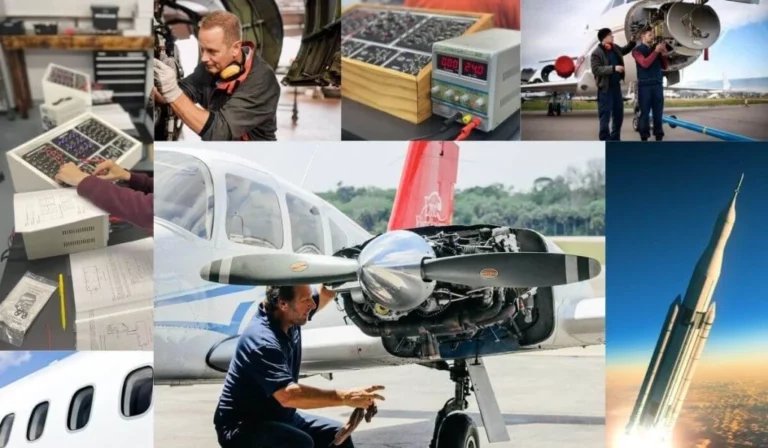
Aviation maintenance technicians work on the condition, function, and reliability of aircraft and related equipment. Specific duties depend on the aircraft, organization, specialty, and individual authorization.
Aviation maintenance can suit people who enjoy technical work, careful problem solving, and responsibility. The best decision comes from exploring the routine as well as the attraction of aircraft.
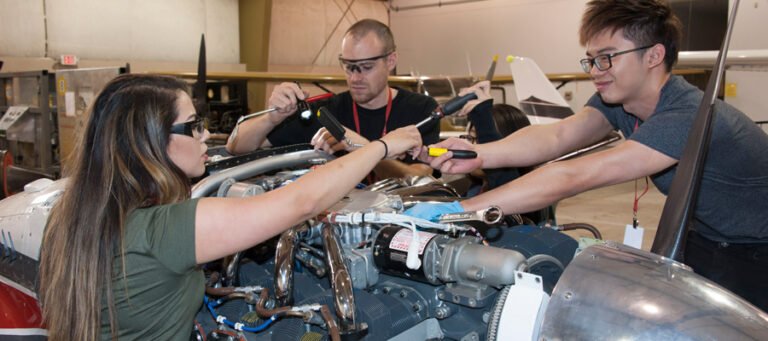
Build aviation maintenance skills around understanding systems, using references, and performing work carefully. A strong foundation makes later aircraft-specific training more useful.
A side activity can help a student earn income, but it should fit around attendance, study, and rest. Choose work you can deliver reliably without confusing it with authority to perform aircraft maintenance.
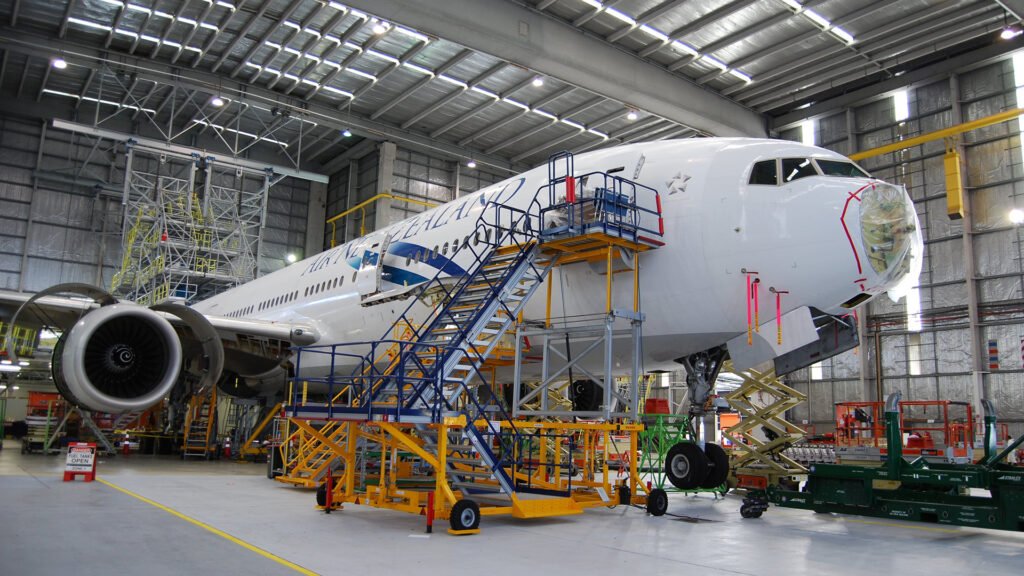
Aviation maintenance careers span airlines, repair stations, business aviation, general aviation, manufacturers, and component organizations. Compare the work itself before selecting a path.
Good maintenance work includes preparing the workplace, recognizing hazards, and following the organization’s procedures. Safety decisions should be based on the specific task and environment.
Aviation career planning should use current hiring evidence rather than old recovery predictions. Assess the roles and locations you can access, then prepare for changes in demand.
The pandemic is a historical example of how quickly aviation operations can change. The useful career lesson is to prepare for changing workloads, staffing needs, and training priorities.
New tools and training methods deserve attention when they solve a real maintenance problem. Evaluate a trend by its practical use, supporting evidence, and compatibility with your organization’s procedures.
Leadership development can begin before a supervisory title. Practise habits that make technical work clearer, support teammates, and help the team act on reliable information.
Maintenance advertisements use many overlapping titles. Compare responsibilities, work settings, qualifications, and schedules to understand what each position actually involves.
Paid training may be available through apprenticeships or employer-supported development, but the arrangements differ. Confirm both the employment terms and the qualification pathway.
Aviation mechanic courses serve different purposes, from initial education to focused professional development. Choose the course by the skill or qualification you need next.
When researching an aviation maintenance company, verify its exact identity and current information. Similar names and old profiles can otherwise lead to confusion about locations, services, or hiring.
General aviation maintenance can offer varied work across aircraft and operating needs. Research the specific shop, fleet, and mentoring arrangements to understand what a role will teach you.
Women pursuing aviation maintenance careers can use the same technical pathways while also seeking workplaces and professional communities that support their development.
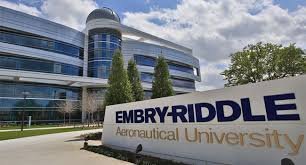
A useful school comparison is based on verified program information, cost, practical instruction, and student support. There is no single school ranking that fits every prospective technician.
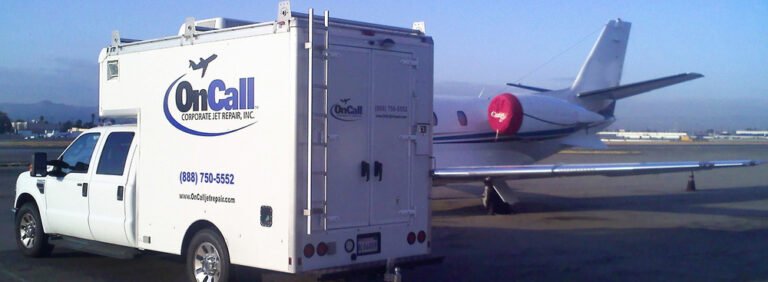
Mobile maintenance roles bring technical work to the aircraft’s location. Travel, logistics, documentation, and access to appropriate equipment can be as important as the location itself.
Higher pay depends on the employer, role, location, experience, and work arrangement. Compare current offers with dated occupational data rather than relying on a list of guaranteed high-paying jobs.
An A&P qualification can support a broad maintenance career, but the choice should reflect your interests, training route, and preferred work environment. Consider more than earning potential.
Restart a stalled career search by updating your evidence, sharpening your target, and making a manageable plan. Focus on current opportunities instead of old industry recovery predictions.
Maintenance management combines technical understanding with coordination, people development, and responsibility for processes. Learn the expectations of the specific organization before pursuing the title.
Maintenance information needs to reach the people who act on it and remain available when shifts change. A clear communication process reduces uncertainty about work status.
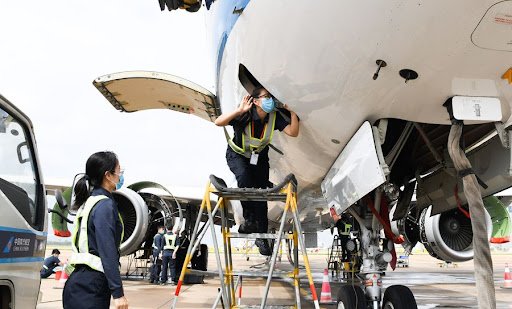
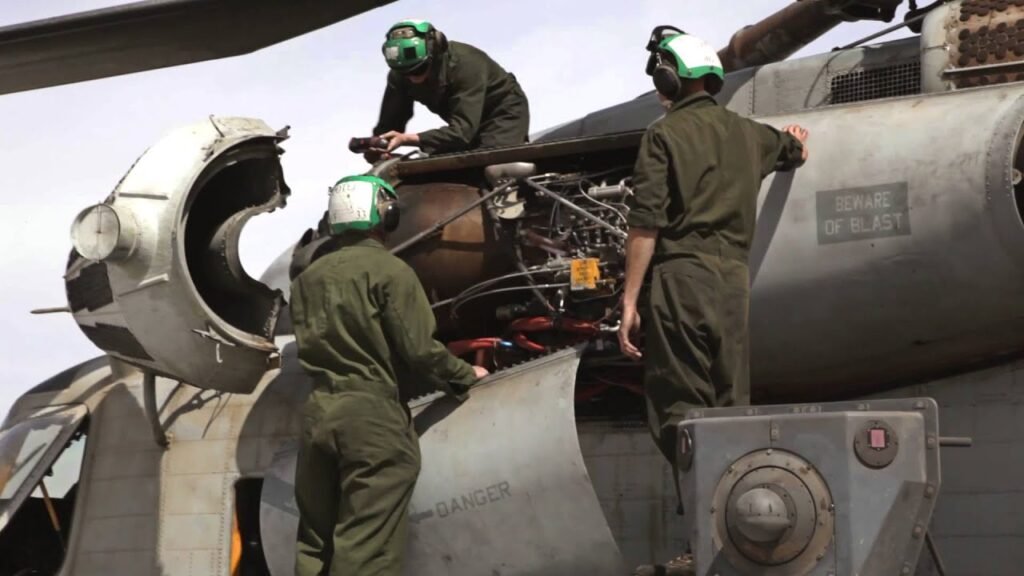
An aircraft maintenance role involves both practical work and disciplined use of technical information. The daily routine depends on the aircraft, specialty, employer, and shift.
Combine specialist job boards with employer career pages to broaden your search. A directory is a starting point; each employer or provider controls its current vacancies and applications.
Start your school search with the qualification you want and a realistic schedule. Verify the specific program before investing in a tour, application, or deposit.
Aviation offers technical, operational, and support roles beyond pilots and cabin crews. For a maintenance-focused search, compare the equipment, training, and responsibilities attached to each position.
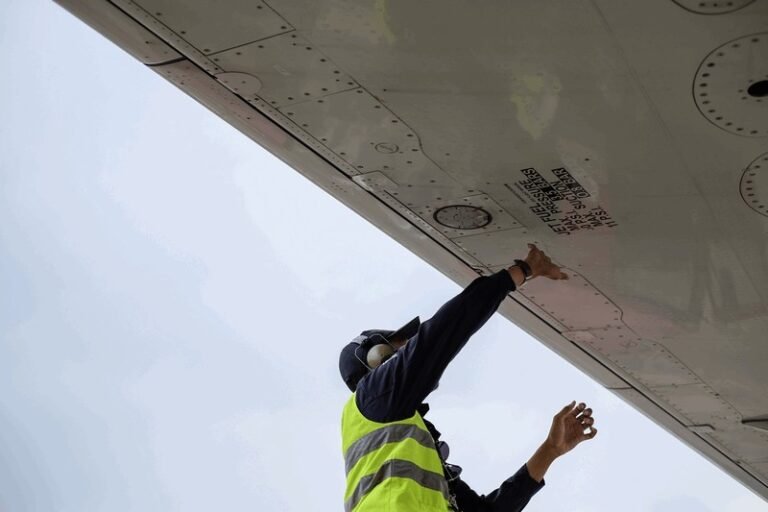
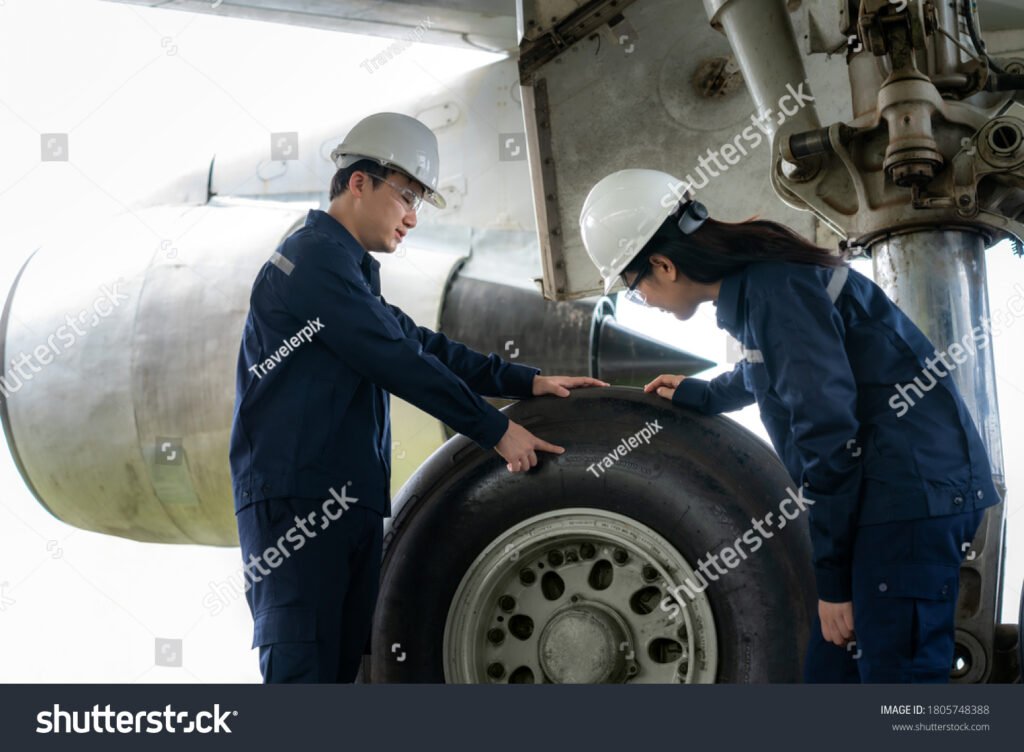
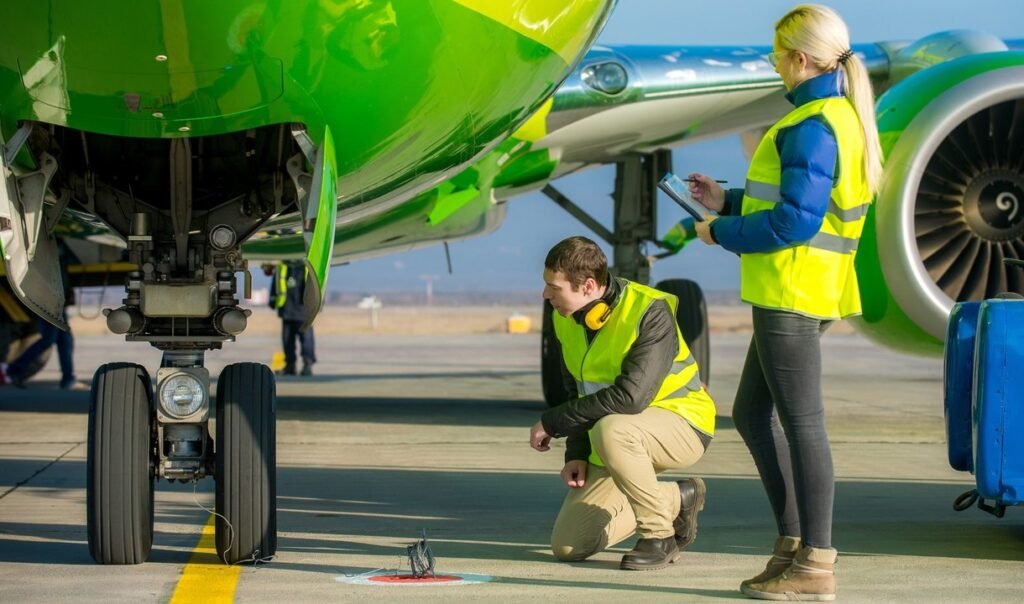
Line maintenance is work associated with supporting aircraft in their operating environment. The exact tasks depend on the operator, aircraft, maintenance program, and organization.
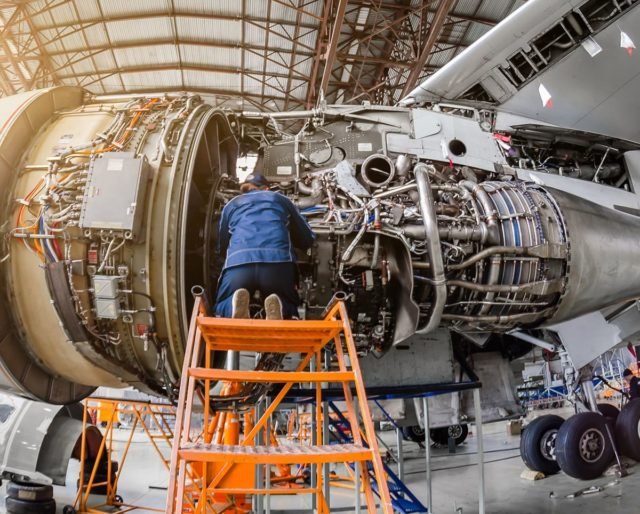
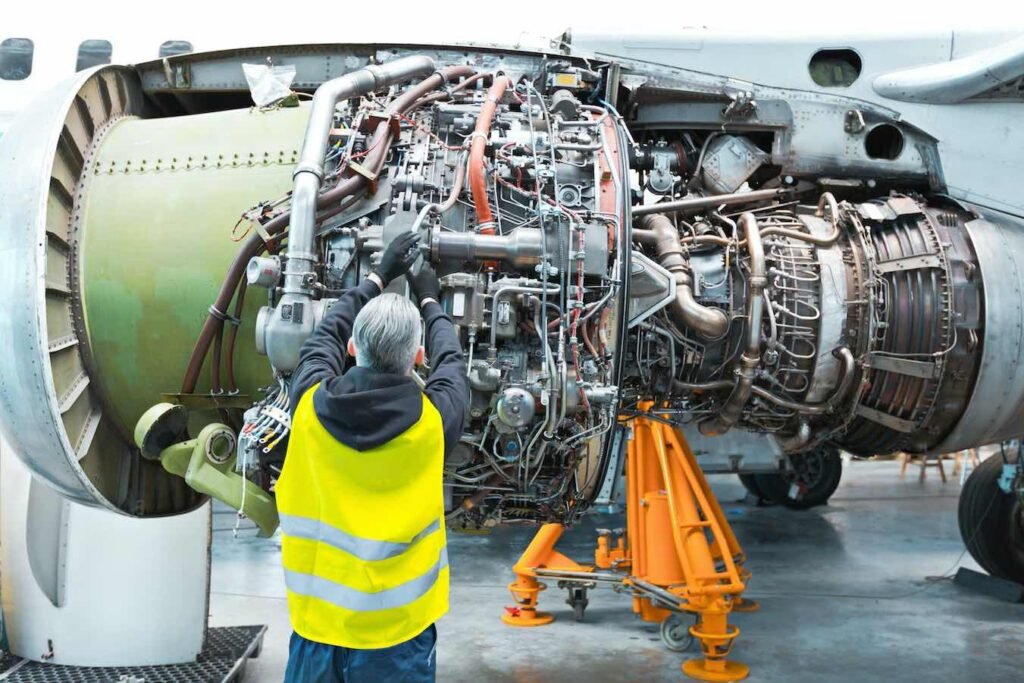
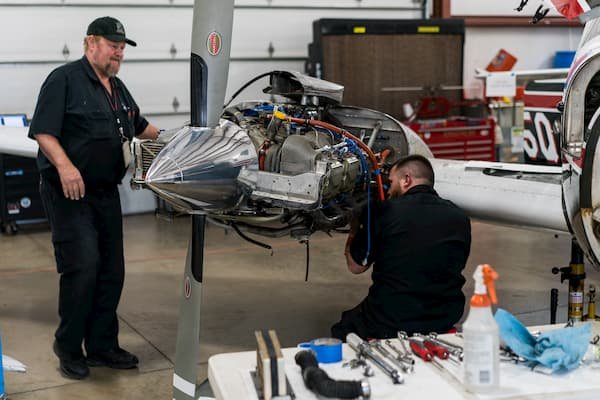
Powerplant work focuses on aircraft engines and their associated systems. Roles vary between aircraft maintenance, engine shops, component facilities, and specialist organizations.
Getting an A&P certificate involves establishing eligibility, completing the applicable tests, and following the FAA application process. Plan the paperwork as carefully as the preparation.
An electronics background can be relevant to aviation, but aircraft-related work has its own systems, documentation, and organizational requirements. Identify which skills transfer and where further learning is needed.
After maintenance training, map opportunities by work setting, specialty, and learning potential. Your first role can build a foundation without determining every later step in your career.
Begin with a clear picture of the work and a qualification route you can complete. A structured first month of research can prevent expensive assumptions about training or employment.
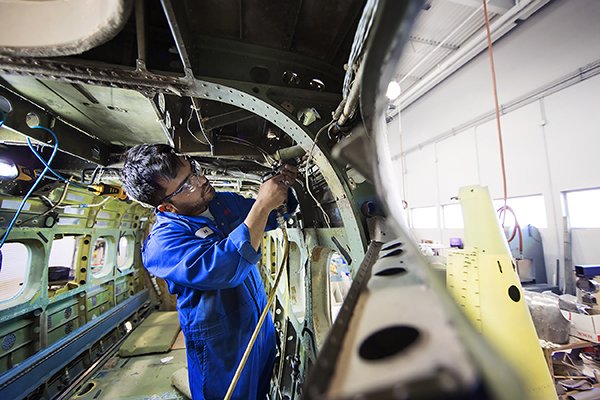
Airframe-related work involves an aircraft’s structure and many installed systems. The role’s actual scope depends on the employer, aircraft, specialty, and technician’s training and authorization.
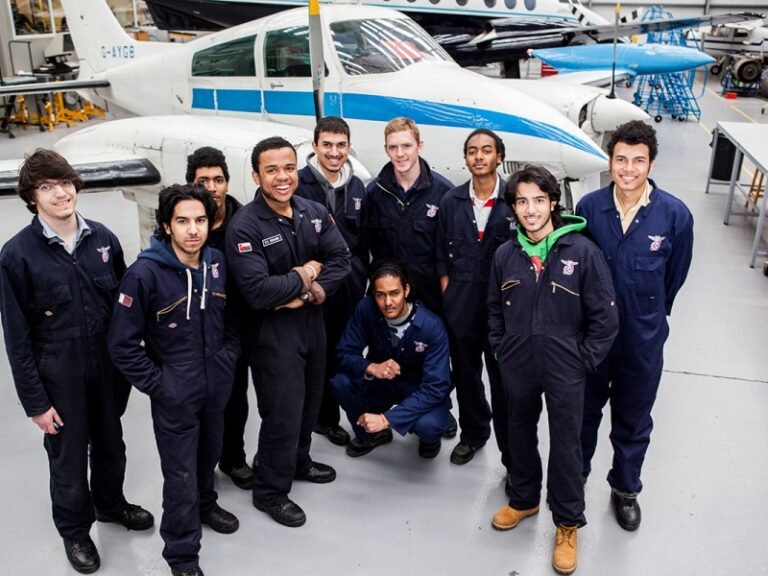
A Part 147 aviation maintenance technician school is an FAA-certificated education provider. Its program can be a route toward meeting the requirements for mechanic testing.
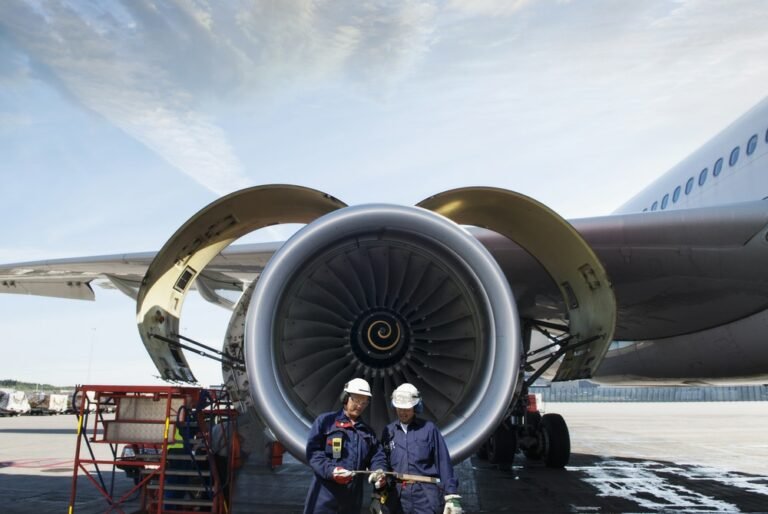
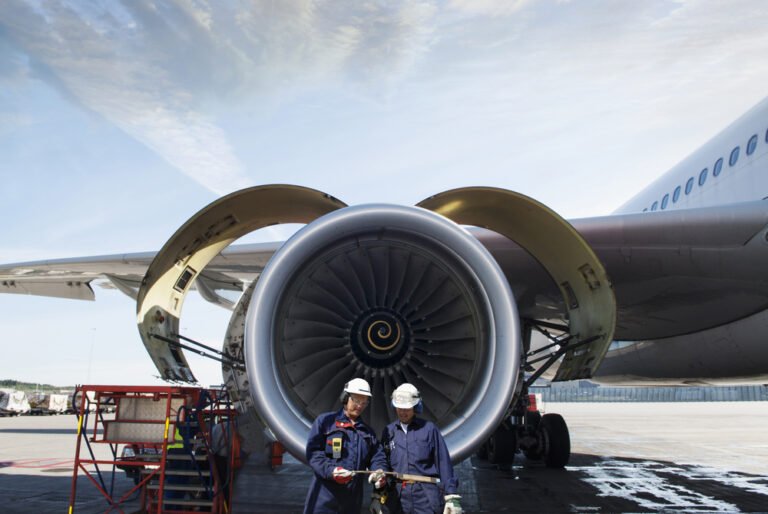
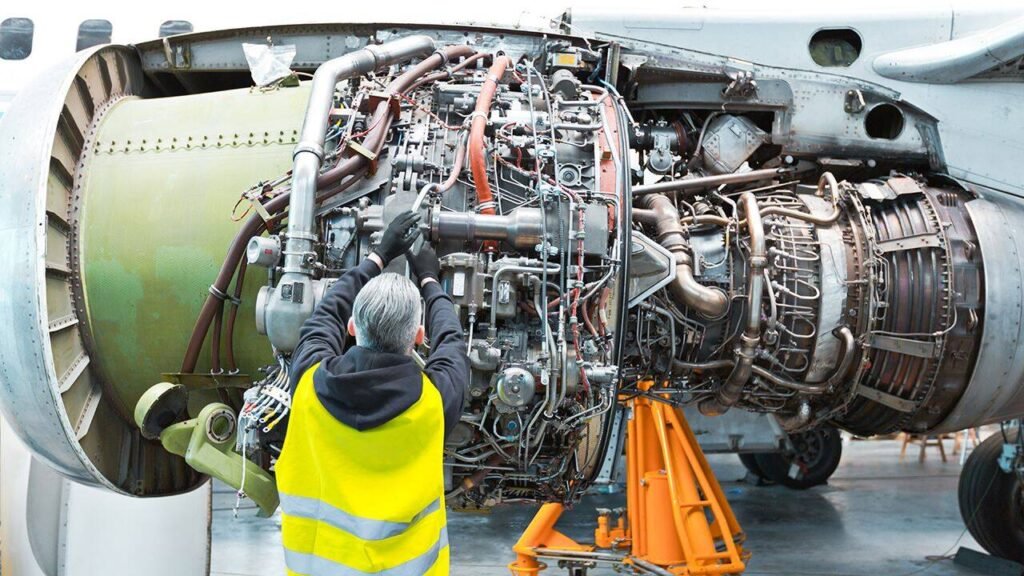
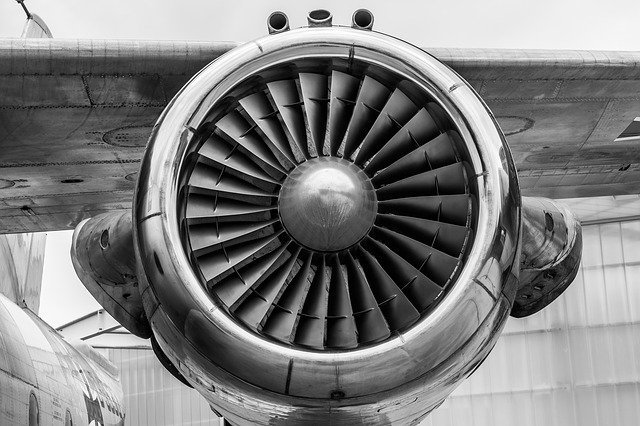
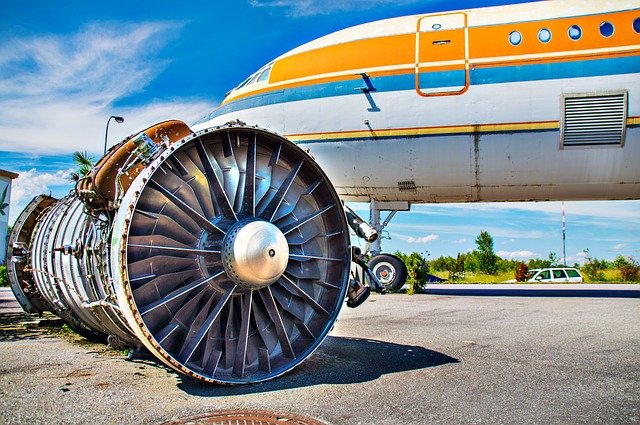
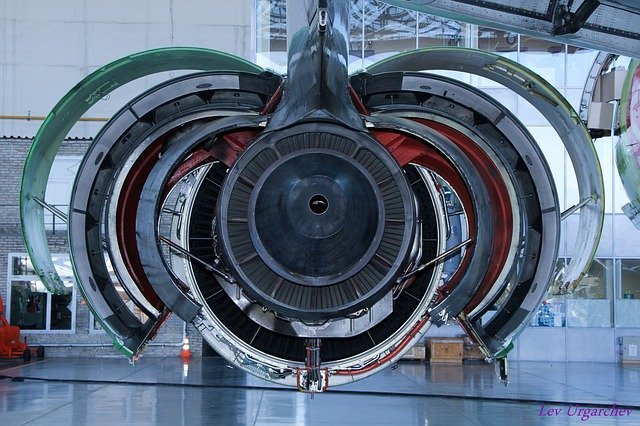
A turbine engine takes in air, compresses it, adds energy through combustion, and extracts energy through a turbine. The way the remaining energy is used differs across engine designs.
A maintenance résumé should make your qualifications and relevant experience easy to find. Use clear evidence and accurate terminology instead of broad claims about every aircraft or system.
Prepare for a maintenance interview by understanding the role and practising truthful examples of your work. The aim is to show technical discipline, communication, and readiness to learn.
Marine aviation maintenance experience can be relevant to a later civilian career, but military and civilian qualification systems are distinct. Plan the transition using current service and FAA information.
Guides updated October 3, 2026. Check the linked organizations for current requirements, course availability, job terms, and scholarship application windows.