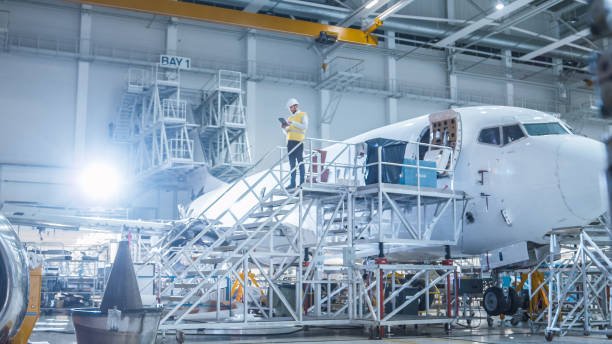
Good maintenance work includes preparing the workplace, recognizing hazards, and following the organization’s procedures. Safety decisions should be based on the specific task and environment.
Identify hazards before starting
Consider energy sources, moving equipment, heights, chemicals, noise, and the space around the work. Check the task instructions and employer safety processes. Use the equipment, personal protection, and authorizations specified for the job rather than assuming a previous setup is suitable.
Keep the work area and task status clear
Follow tool control and housekeeping practices. Identify incomplete work and interrupted steps through the approved process. Make handovers explicit and report damaged equipment or unclear instructions. Avoid allowing production pressure to conceal a missing resource or unresolved concern.
Use training and reporting to improve the system
Ask about initial and recurrent safety training. Report hazards using the organization’s process and discuss lessons learned with the team. Human factors learning can help you recognize how distractions, fatigue, or communication affect a task, but it does not replace task-specific controls.
Your next steps
- Review task-specific hazards and controls.
- Use approved protection and equipment.
- Report concerns and document unfinished work.