Aviation maintenance technicians work on the condition, function, and reliability of aircraft and related equipment. Specific duties depend on the aircraft, organization, specialty, and individual authorization.
Understand the range of maintenance work
The field includes inspections, troubleshooting, repair, component work, and technical documentation. Some technicians work on complete aircraft; others concentrate on engines, structures, electrical systems, or components. A job title alone does not define the scope of the position.
Learn the difference between qualification and task authority
A qualification can support entry into the field, but each employer also has training and authorization arrangements. Ask what you are expected to perform, what supervision applies, and who may approve the work. Use current FAA guidance when researching certification pathways.
Explore the work environment
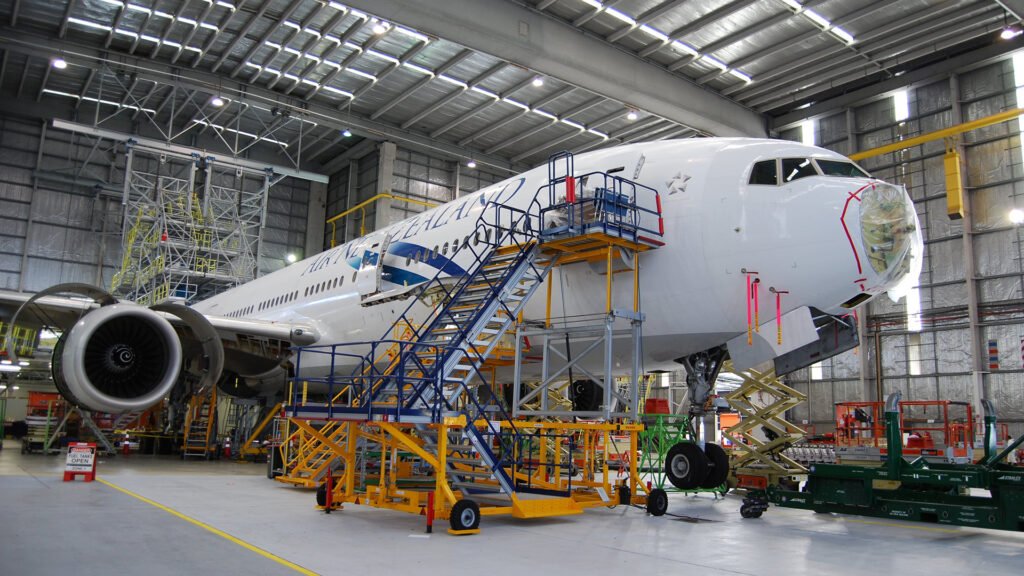
Compare hangar, flight-line, component shop, and mobile assignments. Discuss shifts, physical demands, weather exposure, and access to training. Use real job descriptions and conversations with technicians to choose the environment that fits your interests.
Compare three different technician settings
A candidate can learn a great deal by comparing an operating station, a planned-maintenance hangar, and a component facility. Ask each organization what the team works on, how assignments are planned, and how new staff get technical support. The broad occupation may be the same, but the equipment, pace, and specialization can differ. Record which parts of each setting interest you and which requirements you still need to understand. This comparison helps turn a general attraction to aircraft into a more informed decision about the kind of role and training to pursue.
What to ask a working technician
Prepare questions about ordinary work rather than asking only whether the career is enjoyable. Ask how much time is spent using technical information, documenting findings, coordinating with others, and developing practical skills. Discuss what surprised the technician when they started and which learning helped most. Respect any limits on workplace access or confidential details. Use the conversation to identify questions for employers or schools, not to assume one person’s experience describes every organization. Several focused conversations can give you a much better picture of the responsibilities hidden behind a job title.
Compare the work environment as well as the title
Ask about the actual location, team size, shift, work pace, supervision, and mix of tasks. Consider whether the role involves hangar work, an operating station, a component facility, or travel between sites. Find out how a technician gets help when information or equipment is missing. Discuss the physical and scheduling demands with the employer and compare them with your circumstances. Two positions with nearly identical titles can offer very different routines and development opportunities. A useful comparison explains both what you would do and how the team enables you to do it responsibly.
Separate qualifications from job-specific readiness
A qualification is important evidence, but an employer also needs to understand your experience with the particular systems, equipment, and responsibilities in the vacancy. Present the certificate or award accurately and explain the work you have actually performed. Ask which training and authorizations are needed after joining the organization. Avoid treating observation, school practice, and employment experience as interchangeable. If a requirement is outside your background, say so and discuss an appropriate learning route. This distinction helps a candidate describe strengths honestly and helps the employer plan onboarding, rather than assuming a familiar qualification settles every question about readiness.
Your next steps
- Compare duties across maintenance specialties.
- Understand the employer’s training and authorization process.
- Research the actual shift and workplace.