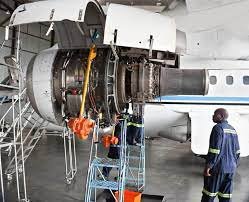
Aviation maintenance careers span airlines, repair stations, business aviation, general aviation, manufacturers, and component organizations. Compare the work itself before selecting a path.
Explore the major work settings
Look at flight-line roles, hangar maintenance, component repair, engine work, and avionics shops. Ask how the team is organized and how new technicians are trained. Maintenance, repair, and overhaul organizations may provide opportunities across several specialties.
Compare what employers request
Review certificate or rating requirements, aircraft experience, shift availability, and technical skills in actual advertisements. Distinguish required qualifications from preferences. If you are starting out, look for roles with documented training or apprentice pathways.
Build a focused search
Choose a small number of target roles and locations. Use aviation job boards and employer career pages together. Keep a record of applications and the qualifications most frequently requested, then use that information to select your next training step.
Build a comparison of maintenance settings
Choose several opportunities that interest you and compare the work objects, team structure, training, location, and schedule. An airline role, an independent repair organization, and a business aviation employer may expose a candidate to different tasks and career paths. Do not rank them universally without considering your interests and experience. Identify which learning each position could provide and what requirements you would need to meet. Keep the comparison tied to actual vacancies and employer information so it remains useful when advertisements or hiring priorities change.
Use an initial specialty without narrowing too far
A focus such as avionics, structures, or engine work can make your learning and applications more coherent. At the same time, remain open to a first role that builds a strong foundation and offers clear supervision. Ask how specialists enter the team and which experience is normally expected. If employers repeatedly request a capability you lack, investigate the most direct appropriate learning route. Do not assume that any unrelated course will improve access to the role. Your next step should have an understandable connection to the work you hope to pursue.
Read a vacancy as a set of requirements
Copy the main duties into a simple comparison sheet and separate required qualifications from preferred experience. Identify the aircraft or equipment, reporting location, shift, travel expectations, and employment arrangement. Then list evidence from your background beside each important requirement. If a term is unfamiliar, research it or ask the employer rather than assuming it describes work you already know. Review how the employer will train and supervise someone entering the team. An application is strongest when it connects real experience to the advertised work; repeating every keyword without supporting evidence can make an otherwise suitable candidate less credible.
Investigate the first months in the role
Ask what a new employee does in the first week, who provides instruction, and how progress is assessed. Discuss access to technical information, tools, systems training, and supervisory support. Find out how the organization decides when someone is ready for a new task or responsibility. Explain your own experience clearly so the team can distinguish familiar work from subjects that require training. Keep a short list of learning goals and revisit it with your supervisor as you progress. The purpose is to understand the employer’s real development process rather than assume that a job title or existing qualification makes every task immediately familiar.
Your next steps
- Compare settings and specialties.
- Read required qualifications carefully.
- Search job boards and employer sites together.